A great lawn doesn’t just happen because you water it, mow it, and talk nice to it. The real work happens underground—where roots need room, air, and nutrients to actually thrive. That’s where core aeration comes in. Think of it as giving your lawn a little personal space so it can stop being stressed and start looking impressive.
Why Core Aeration Helps
Soil naturally gets compacted from mowing, foot traffic, pets, and everyday life. When the soil gets too tight, water and oxygen can’t reach the roots—and your lawn starts looking a little… overwhelmed.
Core aeration removes small plugs of soil, opening channels that help:
- Air reach the root zone
- Water soak in instead of running off
- Nutrients move deeper into the soil
- Roots grow stronger and healthier
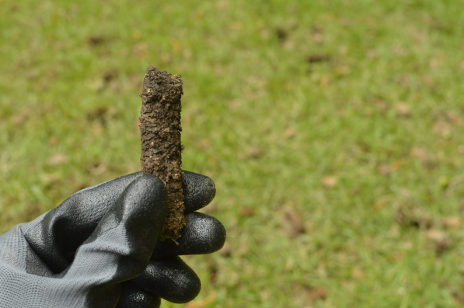
And just to clear things up: spike aerators don’t actually remove soil—they just poke holes and pack everything tighter. It’s basically the lawn‑care version of trying to fix a crowded elevator by squeezing in one more person.
When to Aerate
Aeration works best when grass is actively growing and the soil is moist enough for the tines to pull clean plugs.
- Early fall (Sept–Oct) is ideal for cool‑season lawns.
- Spring (April–May) works well too.
High‑traffic lawns benefit every 1–2 years; typical lawns every 2–4.
Aeration + Overseeding
Aeration creates perfect pockets for seed to settle into, helping new grass germinate and fill in thin areas. It’s like giving your lawn a fresh haircut and a protein shake—clean, efficient, and noticeably effective.
Aftercare
- Water lightly for a few days.
- Leave the plugs—they break down naturally.
- Seed and fertilize right after aeration.
- Pause mowing for 1–2 weeks if overseeding.
Community Lawn Care specializes in core aeration and overseeding – give us a call for a quote and let your lawn get the fresh start it deserves.